
12 Guides
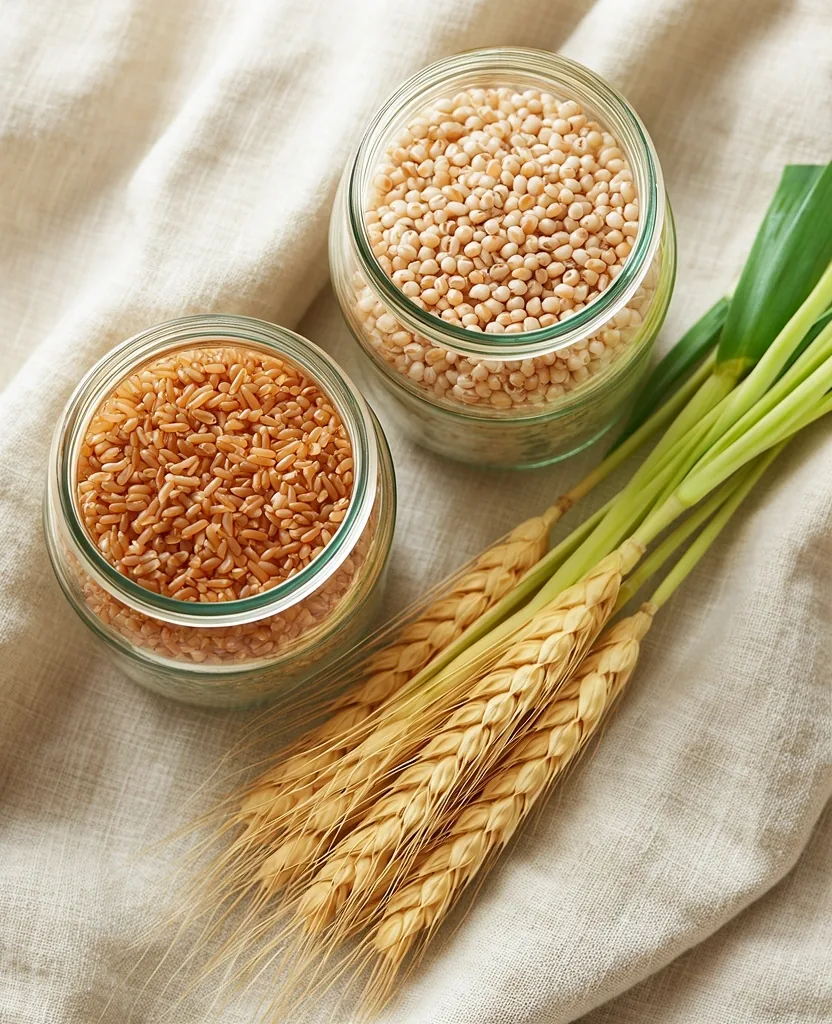
Grains & Fibers
Exploring ancient kernels and complex carbs.
Welcome to a library of intentional eating. We believe that clarity in the kitchen starts with understanding the raw materials—from the fiber density of ancient grains to the stability of cold-pressed lipids. Explore our vetted guides to refine your everyday choices.
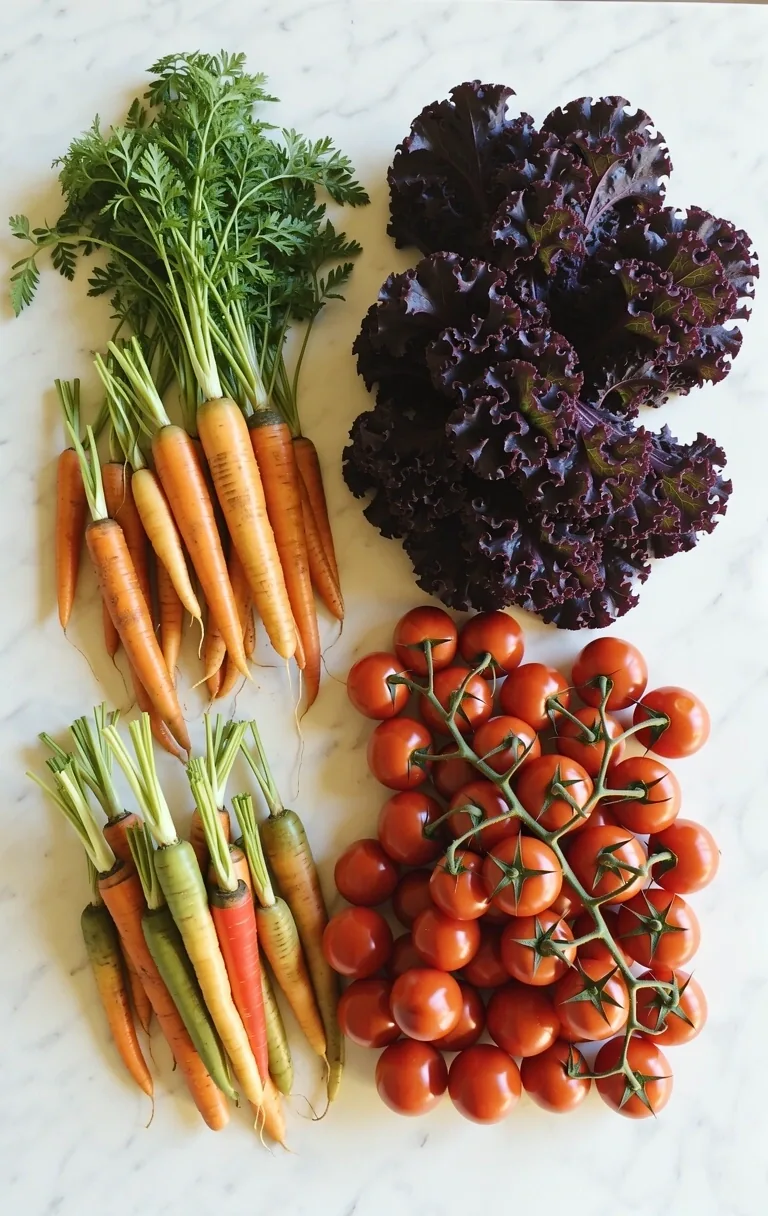
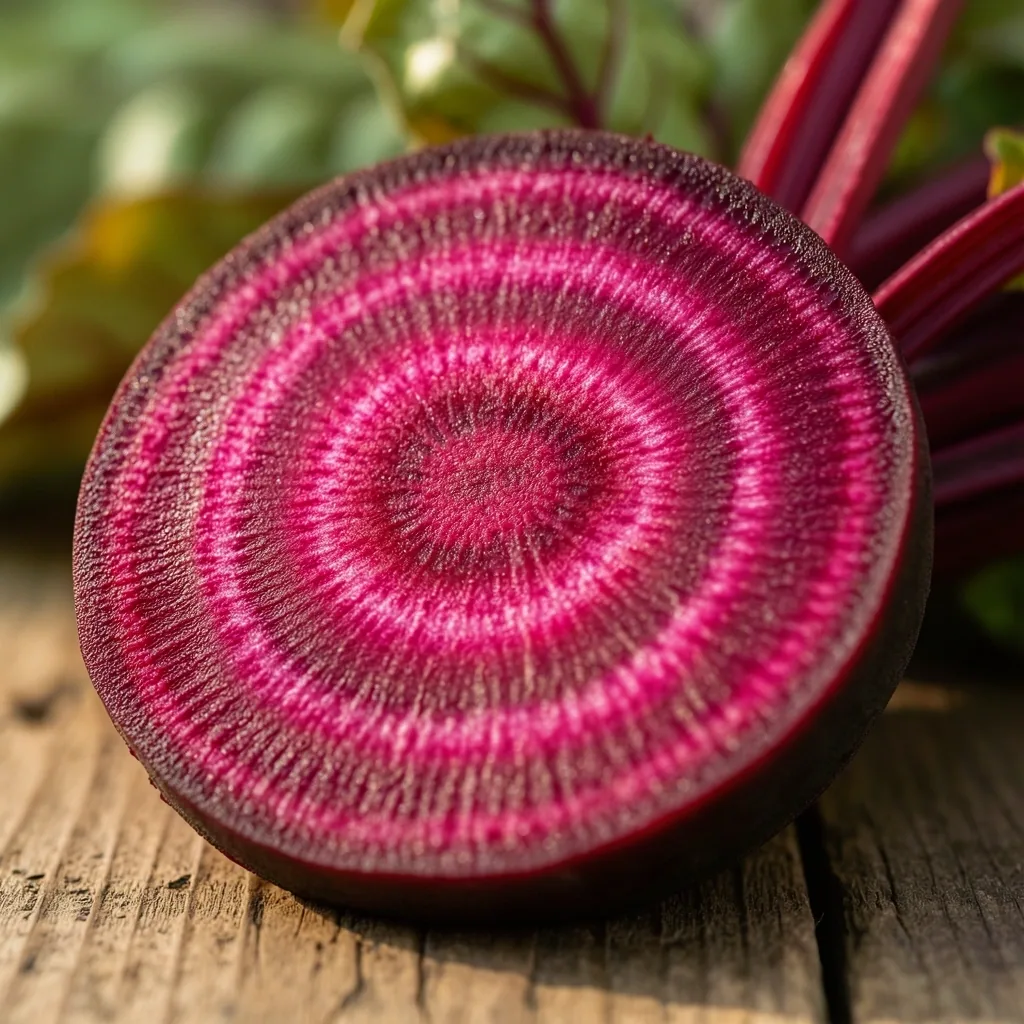
Every ingredient featured in our guides is evaluated for its presence in the UK harvest cycle and its nutritional density relative to typical supermarket varieties.
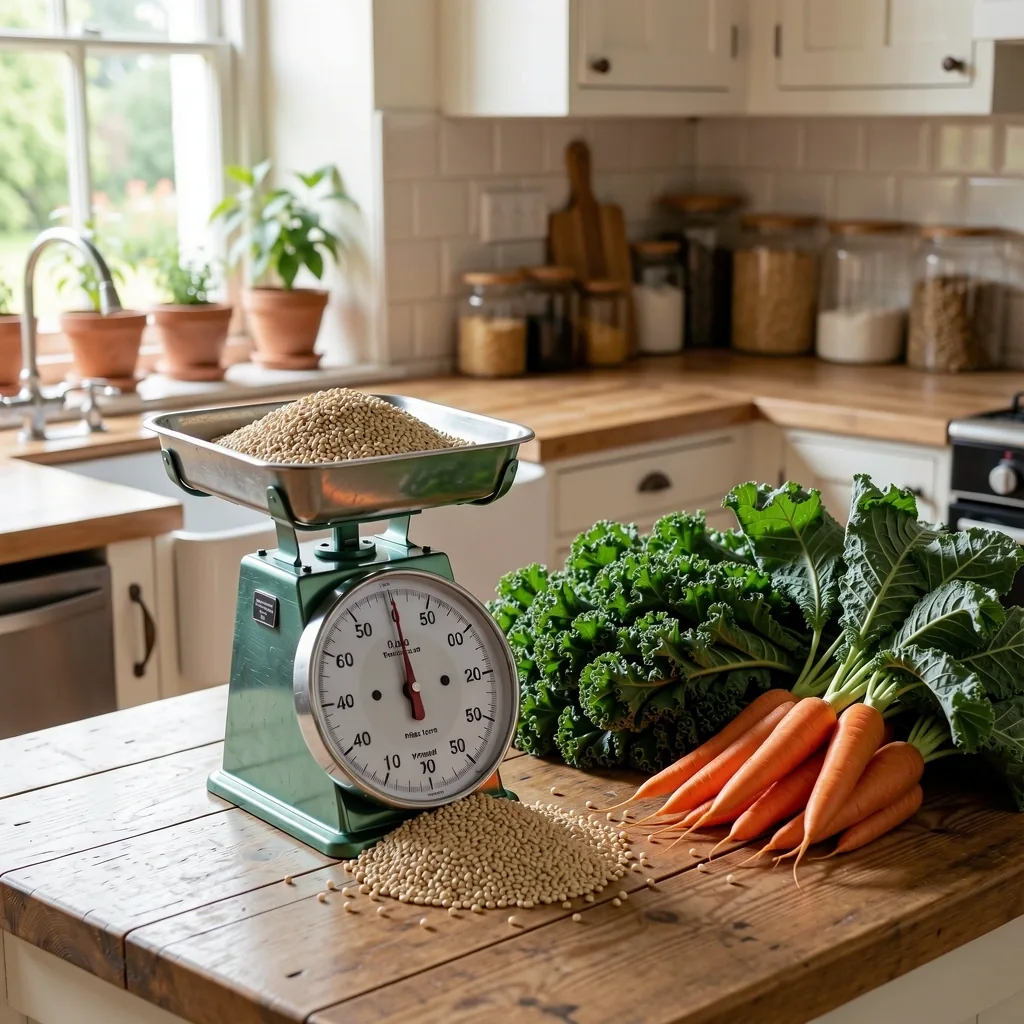
We focus on the bio-availability of micronutrients. Our comparisons look beyond simple calorie counts to explain how preparation methods unlock food value.
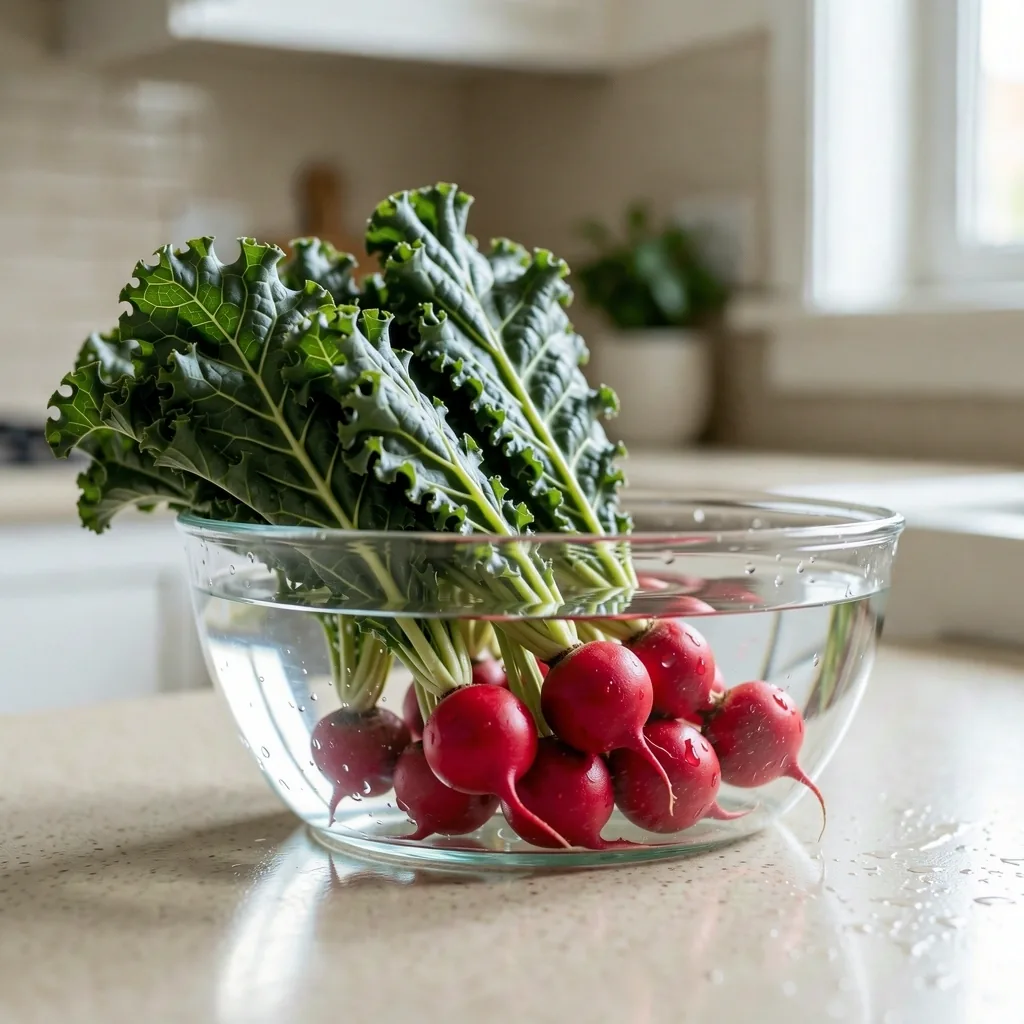
Our instructional deep-dives prioritize traditional techniques—soaking, fermenting, and slow-roasting—to ensure gentle impact on digestive well-being.
A study in specific ingredient profiles
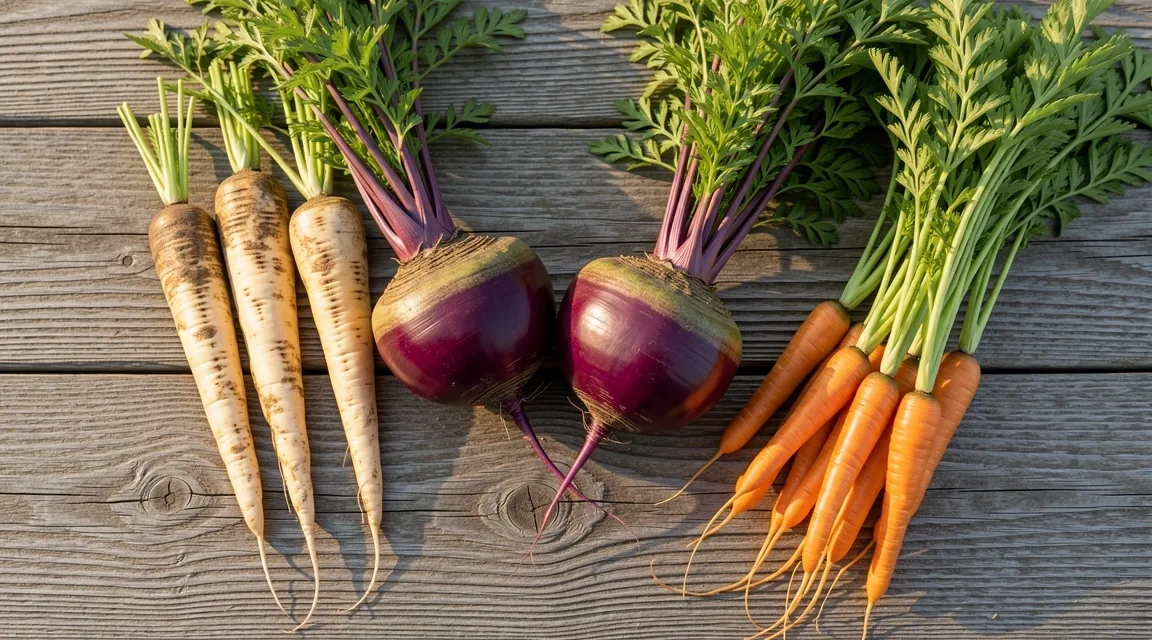
Understanding complex carbohydrates through the lens of seasonal tubers. Discover how roasting temperatures affect the glycemic response of UK staples like the parsnip and swede.
Read the Full profile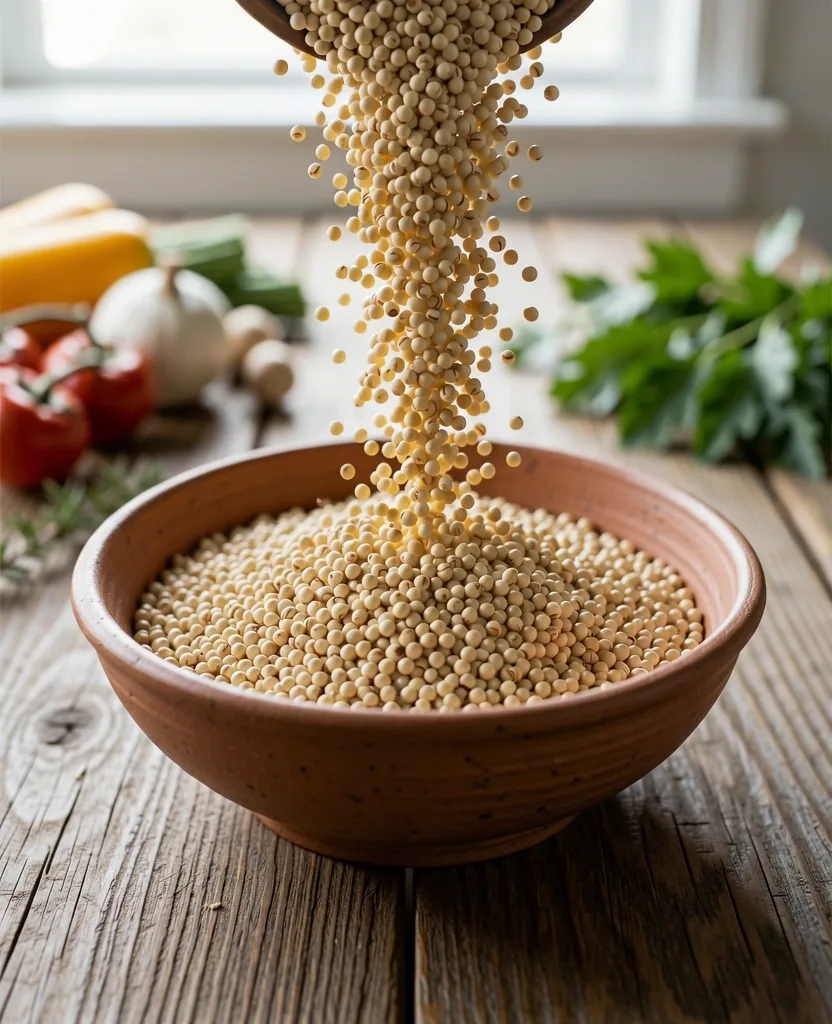
A comprehensive deep-dive into the protein profile and rinse protocols for high-altitude pseudograins.
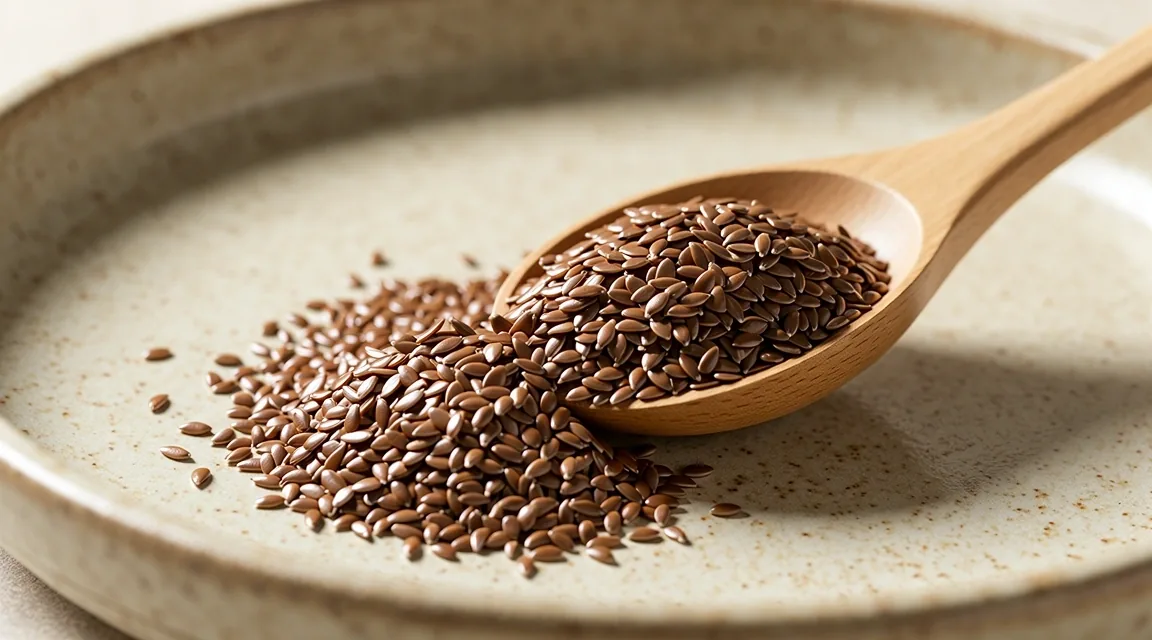
Practical advice on incorporating flaxseed and chia into the British diet for optimal omega-3 balance.
Most labeling confusion arises from the removal of the bran and germ. Our guide clarifies fiber retention and why the visible hull is vital for long-term satiety.
Current UK Harvest
Nutritional education is not about rapid shifts or restrictive lists. It is about the quiet accumulation of habits that honor the body's natural requirements for density and diversity.
In our Sheffield studio, we audit food groups based on three core pillars: environmental context, inherent nutrient density, and traditional kitchen logic. We avoid the hype of manufactured derivatives, focusing instead on how whole foods—in their unadulterated state—interact with human wellbeing.
"The most sustainable way to eat is to understand the history and biology of what sits on your plate."
— Wholesome Nutrition Ethos
Whether you are exploring the complex matrix of lipids or seeking to optimize your intake of seasonally available root vegetables, our guides provide a neutral, evidence-based foundation. We do not prescribe results; we offer the technical clarity required for you to make informed, personal decisions.
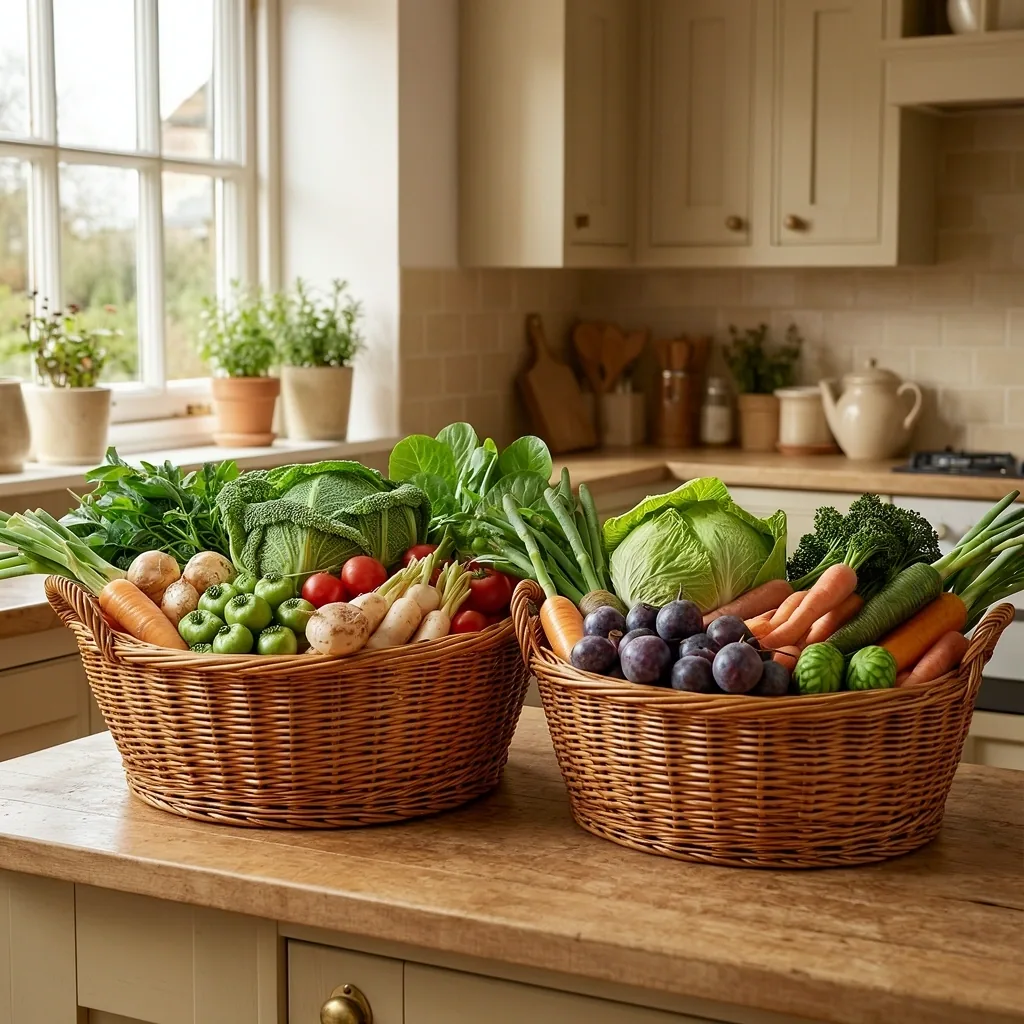
Every guide published in our archive is vetted against three independent peer-reviewed sources. We maintain transparency regarding our educational-only nature, ensuring you receive rigor without the jargon of commercial marketing.
Browse our full collection of nutritional deep-dives, categorized by food group and application.
Exploring ancient kernels and complex carbs.
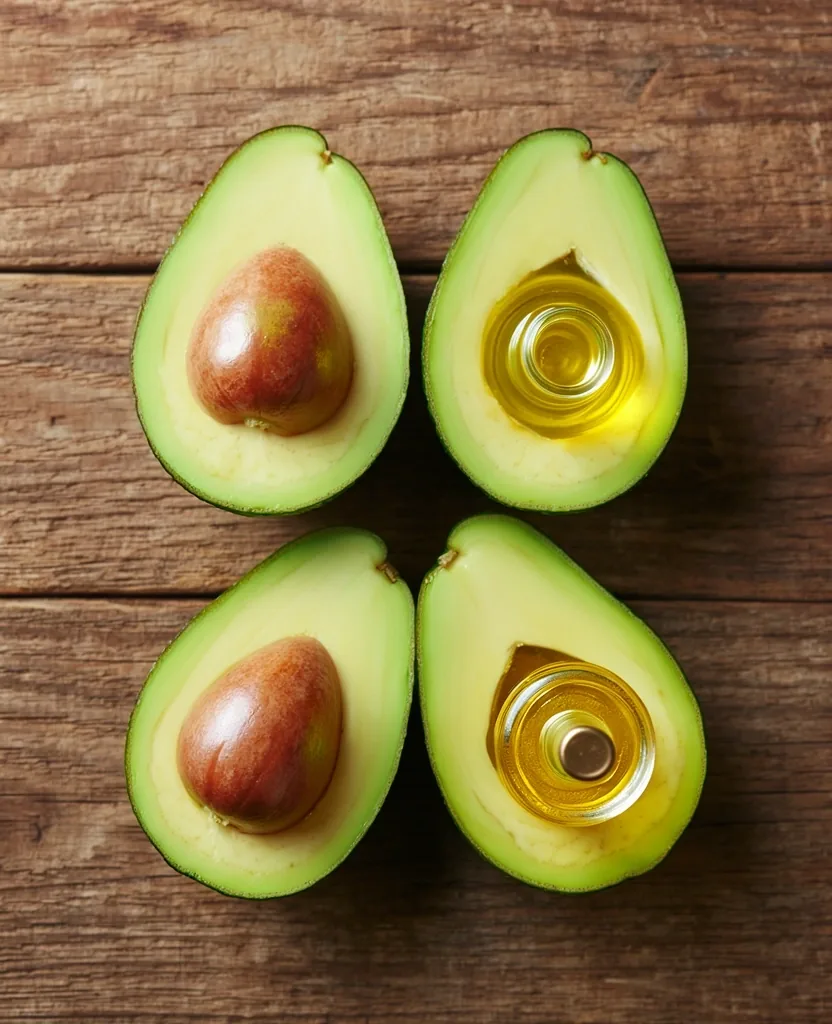
The distinction between saturated and unsaturated states.
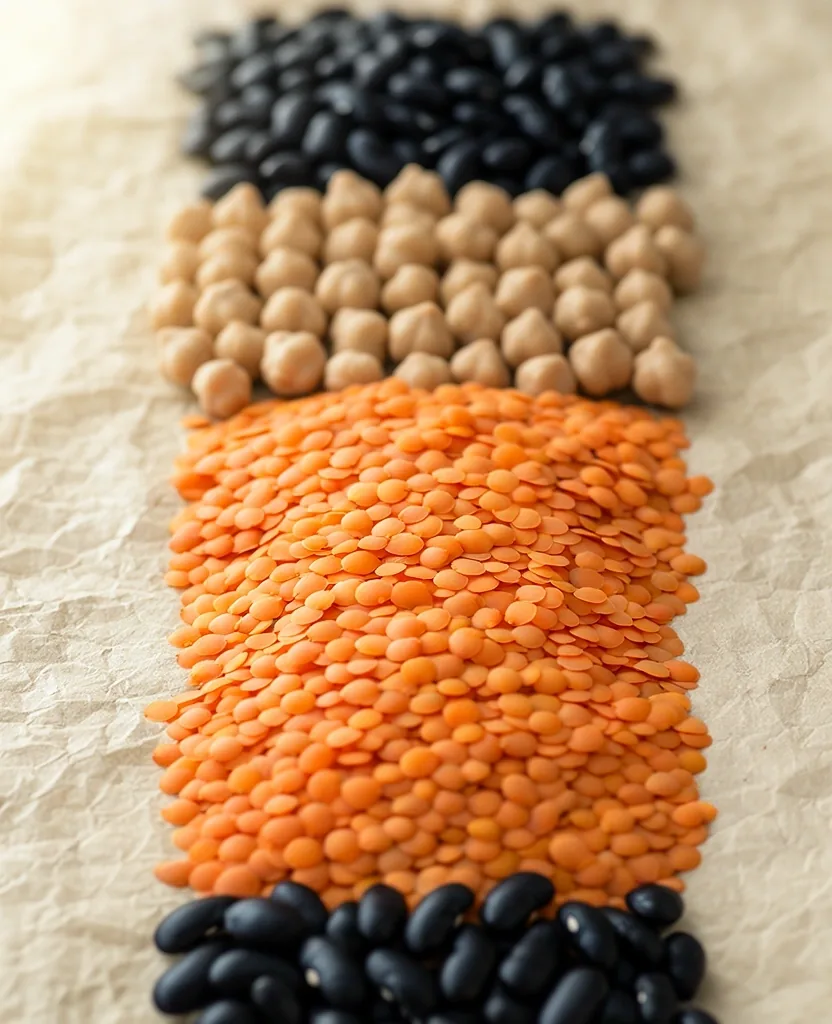
Completing amino acid profiles across legumes.
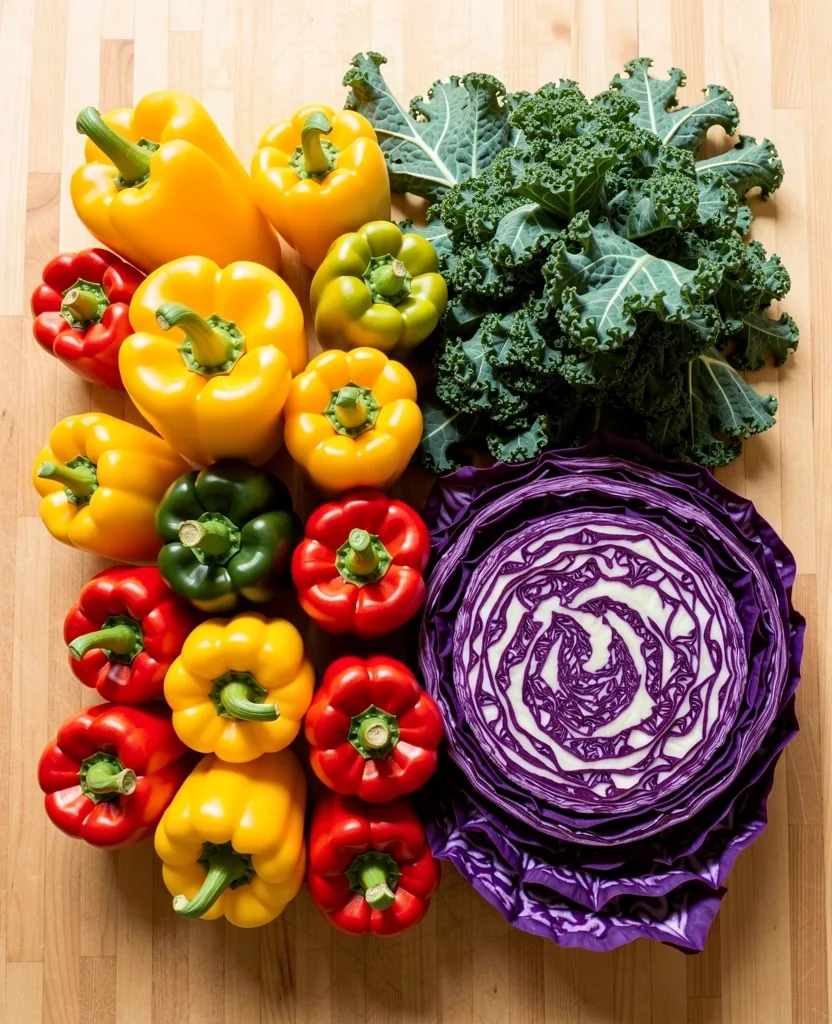
The power of trace elements and herbal tea preparation.